
Top 10 Best Thermal Insulation Materials for Energy-Efficient Buildings in Nepal
Compare thermal insulation for roofs, walls, ceilings, HVAC ducts and cold regions in Nepal.
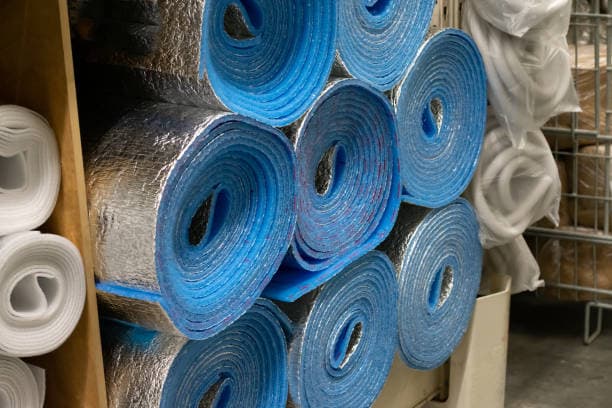
Choosing best insulation materials Nepal requires more than comparing a headline price. Nepal's monsoon rainfall, altitude differences, seismic risk, transport conditions and uneven access to trained installers can all affect material performance. This guide explains ten practical options and the checks that help owners, architects, engineers and contractors make a defensible decision.
The list is organised as a decision guide, not a paid ranking. Product availability, specifications and commercial terms change, so request current technical data and a written quotation before purchase.
How to use this top-10 guide
Start with the approved design and site conditions. Compare products using the same unit, specification, warranty, delivery scope and installation responsibility. Keep supplier documents with the project quality file.
1. Stone wool or rockwool
A non-combustible fibrous insulation used for thermal, acoustic and fire-conscious assemblies.
What to check
Specify density, thickness, facing and the tested wall or roof build-up.
2. Glass wool
Lightweight rolls or slabs can insulate ceilings, roofs and metal buildings.
What to check
Protect against compression, moisture and exposed fibres during installation.
3. XPS board
Closed-cell rigid boards provide moisture resistance and compressive strength.
What to check
Use compatible adhesives and fire-protective finishes.
4. EPS board
An economical rigid insulation for walls, roofs and floors when properly protected.
What to check
Select density and thickness for the actual load and fire requirements.
5. PIR or PUF board
High-performance rigid foam can achieve useful insulation with limited thickness.
What to check
Confirm facing, joint treatment and fire classification.
6. Reflective aluminium-foil insulation
Low-emissivity layers can reduce radiant heat when installed beside a suitable air gap.
What to check
Do not treat a foil layer as equivalent to bulk insulation without assembly calculations.
7. Cellular glass
A rigid, moisture-resistant, non-combustible option for specialist applications.
What to check
Check local availability, detailing and installation skill.
8. Cork insulation
A renewable material with thermal and acoustic benefits.
What to check
Protect it from prolonged moisture and verify supply consistency.
9. Cellulose fibre
Treated recycled fibre can fill roof or wall cavities.
What to check
Use trained installation and verify fire, moisture and settlement controls.
10. Insulated sandwich panels
Factory-made panels combine insulation and durable skins for industrial and commercial envelopes.
What to check
Coordinate panel joints, thermal bridges, fire strategy and vapour control.
How to compare quotations fairly
- Use one written specification and quantity schedule for every supplier.
- Compare tax, transport, unloading, accessories, installation and warranty, not only the base rate.
- Ask whether the product is in stock, made to order or imported.
- Confirm batch, model, colour and technical documents before paying an advance.
- Keep a sample or approved submittal for delivery inspection.
Frequently asked questions
Which option is the best for every project?
No single material is best for every site. The appropriate choice depends on design, exposure, budget, maintenance and verified technical performance.
Should I buy the cheapest quotation?
Compare total installed value. A low rate can exclude accessories, delivery, preparation, testing or warranty support.
Where can I request a supplier quotation?
Use NepalBuild's request-for-quotation form or contact the team on WhatsApp at +977 9703036403.
Final recommendation
Shortlist two or three compliant options, review samples and technical data, and obtain approval from the responsible designer or engineer before ordering. For structural, fire, electrical and waterproofing work, use qualified professionals and documented installation methods.
Need current product prices or a project quotation?
Send your quantities, location and required delivery date. NepalBuild will help structure a comparable supplier enquiry.
Related construction guides
Insulation and Condensation in Nepal: What Builders Should Coordinate
Understand why condensation forms and how insulation, ventilation, air leakage and vapour control should be coordinated in walls and roofs.
Rockwool Insulation in Nepal: Thermal, Fire and Acoustic Guide
Use rockwool effectively in walls, roofs, ceilings and acoustic systems with guidance on density, thickness, fire performance, moisture and installation.
Best Thermal Insulation Materials for Walls in Nepal
Compare rockwool, glasswool, EPS, XPS and reflective insulation for Nepali walls based on climate, moisture, fire performance and installation.