
Top 10 Best Cement Types for House Construction in Nepal (2026 Guide)
Compare the ten most useful cement types for foundations, columns, masonry, plaster, waterproofing and repair work in Nepal.
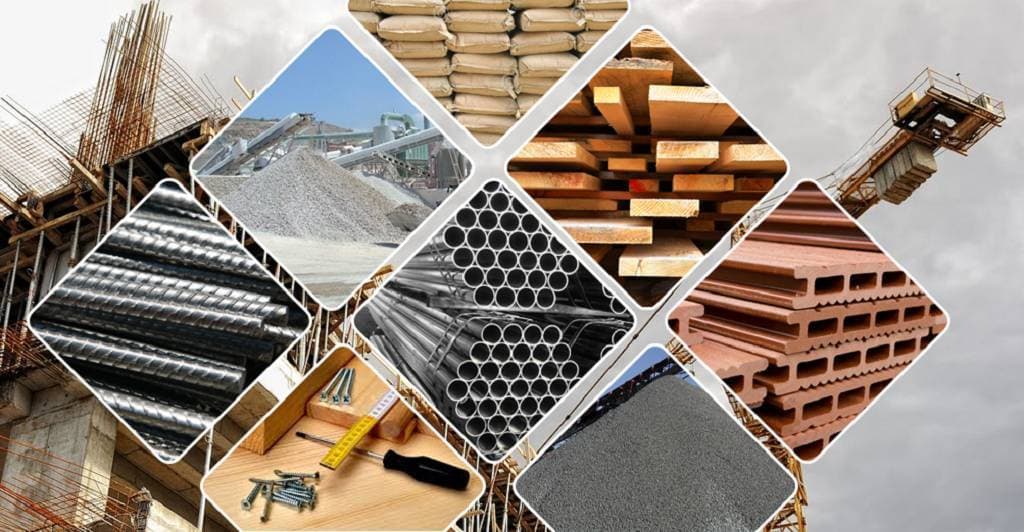
Choosing best cement for house construction in Nepal requires more than comparing a headline price. Nepal's monsoon rainfall, altitude differences, seismic risk, transport conditions and uneven access to trained installers can all affect material performance. This guide explains ten practical options and the checks that help owners, architects, engineers and contractors make a defensible decision.
The list is organised as a decision guide, not a paid ranking. Product availability, specifications and commercial terms change, so request current technical data and a written quotation before purchase.
How to use this top-10 guide
Start with the approved design and site conditions. Compare products using the same unit, specification, warranty, delivery scope and installation responsibility. Keep supplier documents with the project quality file.
1. OPC 43-grade cement
A practical general-purpose choice for reinforced concrete, masonry and routine structural work when the mix design permits it.
What to check
Check the manufacturing date, storage condition and the engineer-approved mix design.
2. OPC 53-grade cement
A higher early-strength option often selected for demanding structural work and faster formwork cycles.
What to check
Use only with controlled batching, curing and professional supervision because faster strength gain can increase heat and shrinkage risks.
3. Portland Pozzolana Cement (PPC)
A blended cement valued for workability, durability and lower heat generation in many residential applications.
What to check
Ask for the declared standard, consistent supply and compatibility with the planned construction schedule.
4. Portland Slag Cement (PSC)
A durable blended cement suited to aggressive moisture or chemical exposure where locally available.
What to check
Confirm regional availability and whether the structural consultant recommends it for the exposure class.
5. Rapid-hardening cement
Useful when early strength is necessary for urgent repairs or short shutdown periods.
What to check
Do not substitute it for standard cement without adjusting the mix, curing and work sequence.
6. Low-heat cement
Designed for thick concrete sections where temperature rise must be controlled.
What to check
Use temperature-control and curing plans prepared for the actual member size.
7. Sulphate-resistant cement
Selected for soil or groundwater with significant sulphate exposure.
What to check
Base the decision on a soil or water test rather than assumption.
8. White cement
Best for decorative finishes, tile joints, architectural precast and colour-sensitive work.
What to check
Use clean tools, clean sand and compatible pigments to protect the finish.
9. Masonry cement
Formulated for mortar and plaster workability, not primary reinforced concrete members.
What to check
Keep structural and non-structural cement use clearly separated on site.
10. Microfine or repair cement
A specialist material for injection grouting, crack filling and dense repair applications.
What to check
Follow the system supplier's water ratio, mixing and injection instructions.
How to compare quotations fairly
- Use one written specification and quantity schedule for every supplier.
- Compare tax, transport, unloading, accessories, installation and warranty, not only the base rate.
- Ask whether the product is in stock, made to order or imported.
- Confirm batch, model, colour and technical documents before paying an advance.
- Keep a sample or approved submittal for delivery inspection.
Frequently asked questions
Which option is the best for every project?
No single material is best for every site. The appropriate choice depends on design, exposure, budget, maintenance and verified technical performance.
Should I buy the cheapest quotation?
Compare total installed value. A low rate can exclude accessories, delivery, preparation, testing or warranty support.
Where can I request a supplier quotation?
Use NepalBuild's request-for-quotation form or contact the team on WhatsApp at +977 9703036403.
Final recommendation
Shortlist two or three compliant options, review samples and technical data, and obtain approval from the responsible designer or engineer before ordering. For structural, fire, electrical and waterproofing work, use qualified professionals and documented installation methods.
Need current product prices or a project quotation?
Send your quantities, location and required delivery date. NepalBuild will help structure a comparable supplier enquiry.
Related construction guides

Construction Handover Documents Every Nepal Project Should Organise
Create a clean handover package with drawings, warranties, test records, product data, maintenance information, keys and defect tracking.

How to Approve Building Material Samples Before Bulk Ordering in Nepal
Use a simple sample-approval process for tiles, boards, paints, panels, sealants, roofing, fixtures and finishes before committing to bulk orders.
Top 10 Best TMT Steel Selection Tips for Earthquake-Resistant Buildings in Nepal
A practical checklist for selecting reinforcement steel for earthquake-resistant residential and commercial construction in Nepal.