
How to Improve Home-Office Acoustics in Nepal Without Overbuilding
Improve speech clarity, privacy and comfort in a home office with practical guidance on doors, soft finishes, acoustic panels, partitions and noise sources.
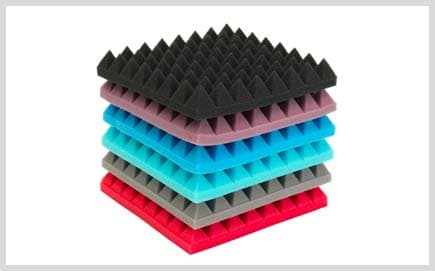
A home office does not need studio-level construction to feel calmer and clearer. Start by deciding whether the problem is echo inside the room, noise entering from outside, or conversations escaping to other rooms. Each problem needs a different level of intervention.
Reduce reflections with layout
Move hard parallel surfaces out of direct opposition where practical and add bookshelves, curtains, rugs or upholstered furniture to reduce excessive reflection.
Soft furnishings are not full soundproofing, but they can make calls and speech more intelligible.
Treat first-reflection areas
Acoustic wall or ceiling panels can reduce echo when placed where sound strongly reflects between the desk, walls and ceiling.
Use products with known acoustic data when performance matters and keep exposed materials suitable for occupied interiors.
Improve the door before rebuilding walls
A hollow, poorly sealed door can dominate sound leakage. Better perimeter seals and an appropriate door leaf may improve privacy more efficiently than adding material to a wall that already performs well.
Maintain safe clearances and door operation.
Seal obvious gaps
Check gaps around frames, sockets, cable penetrations and partition junctions. Airborne sound can pass through the same openings that pass air.
Use compatible sealants and avoid blocking required ventilation.
Control equipment noise
Laptop fans, UPS units, printers and external condensers can create steady background noise. Move noisy devices away from the microphone and isolate vibrating equipment from desks where practical.
Do not block equipment ventilation in an attempt to quiet it.
Upgrade partitions only when needed
If privacy remains poor, a wall upgrade may need extra board layers, cavity insulation or resilient construction. Verify the ceiling and adjoining walls so sound does not simply bypass the improved partition.
Plan electrical changes before closing new layers.
Practical project checklist
- Identify echo versus transmission noise.
- Test the door and obvious gaps first.
- Use absorption where reflections are strongest.
- Move or isolate noisy equipment.
- Upgrade partitions only after checking flanking paths.
Questions to ask before you buy
- Will foam panels soundproof my office?
- What is the easiest privacy improvement?
- Can curtains help?
Final takeaway
Solve the cheapest correct problem first. Better layout and absorption handle echo, seals handle gaps, and construction upgrades handle true transmission—so you avoid overbuilding a small room.
Need a project-specific recommendation? Send NepalBuild your quantities, location and delivery timeline on WhatsApp at +977 970 3036403. We can help you compare materials, specifications and quotation options before ordering.
Need current product prices or a project quotation?
Send your quantities, location and required delivery date. NepalBuild will help structure a comparable supplier enquiry.
Related construction guides
Top 10 Best Soundproofing Materials for Homes, Offices and Studios in Nepal
Understand which materials absorb sound, block sound and reduce vibration in practical Nepalese building projects.
Acoustic, Soundproofing and Insulation Solutions in Nepal
Understand the difference between acoustic treatment, sound isolation and thermal insulation for homes, studios, offices, restaurants and commercial spaces.